Introduction
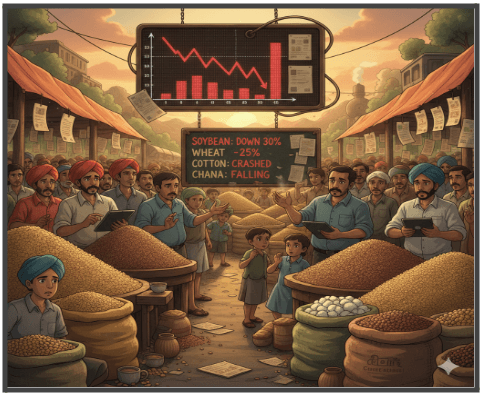
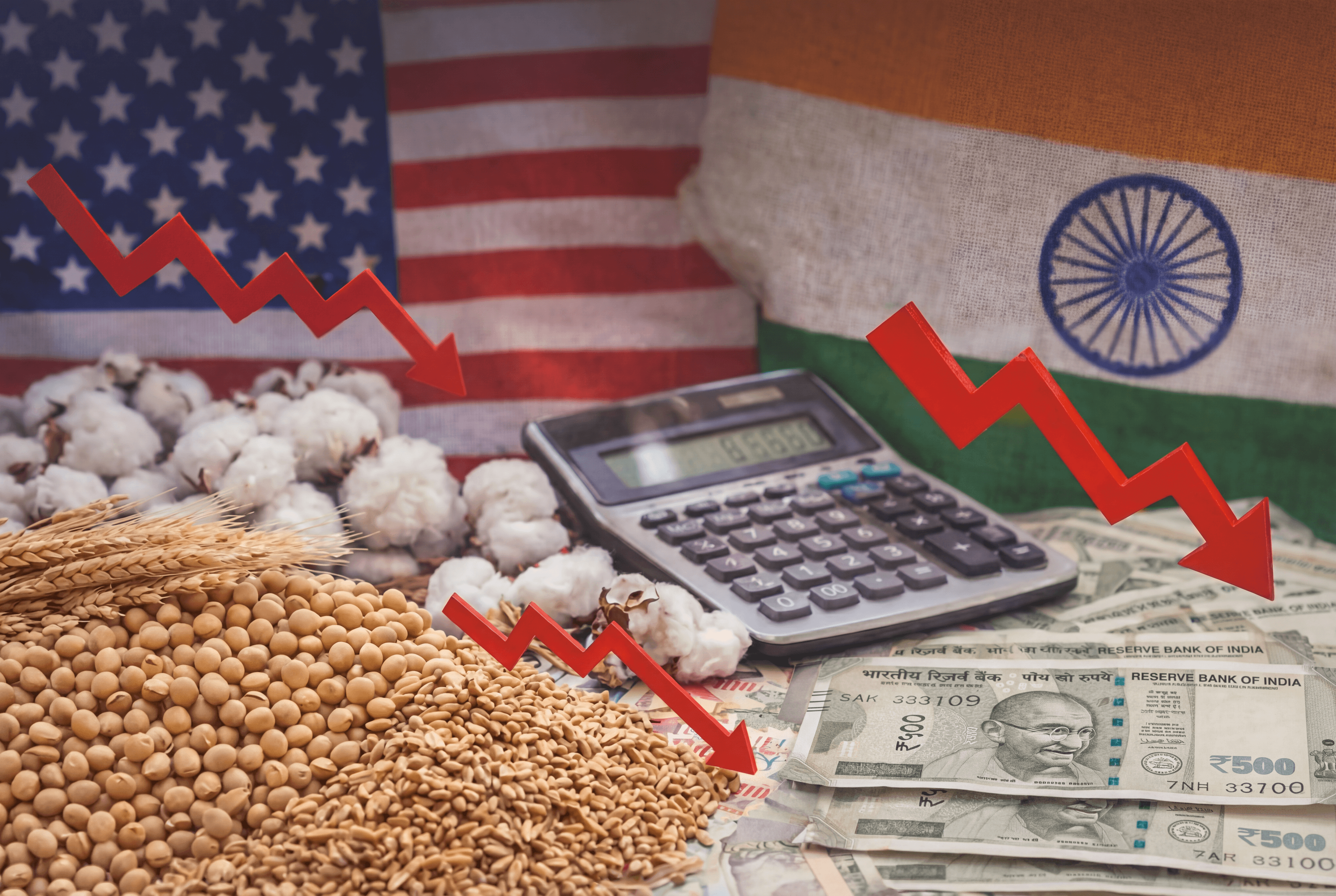
In February 2026, agricultural markets across India witnessed an unexpected decline in crop prices. Farmers arriving at mandis to sell soybean, cotton, wheat, and chana were surprised to find rates falling sharply — in several cases even below the Minimum Support Price (MSP).
The decline was not triggered by crop failure or poor quality. Instead, it reflected the growing influence of international trade decisions on domestic agricultural markets.
The Sudden Fall in Mandi Prices
Farmers generally consider MSP as a safety benchmark to recover cultivation costs. However, during this period:
1. Soybean prices dropped by approximately ₹500–₹800 per quintal in central India.
2. Cotton and pulse markets also experienced noticeable pressure.
3. Open market rates in multiple mandis slipped below MSP temporarily.
The speed of the correction created uncertainty, especially among soybean growers who were expecting stable or improved realizations.
Impact of the US–India Interim Trade Understanding
The primary trigger was the announcement of an interim trade understanding between India and the United States.
Although no immediate large-scale imports were recorded, market participants reacted quickly to expectations that:
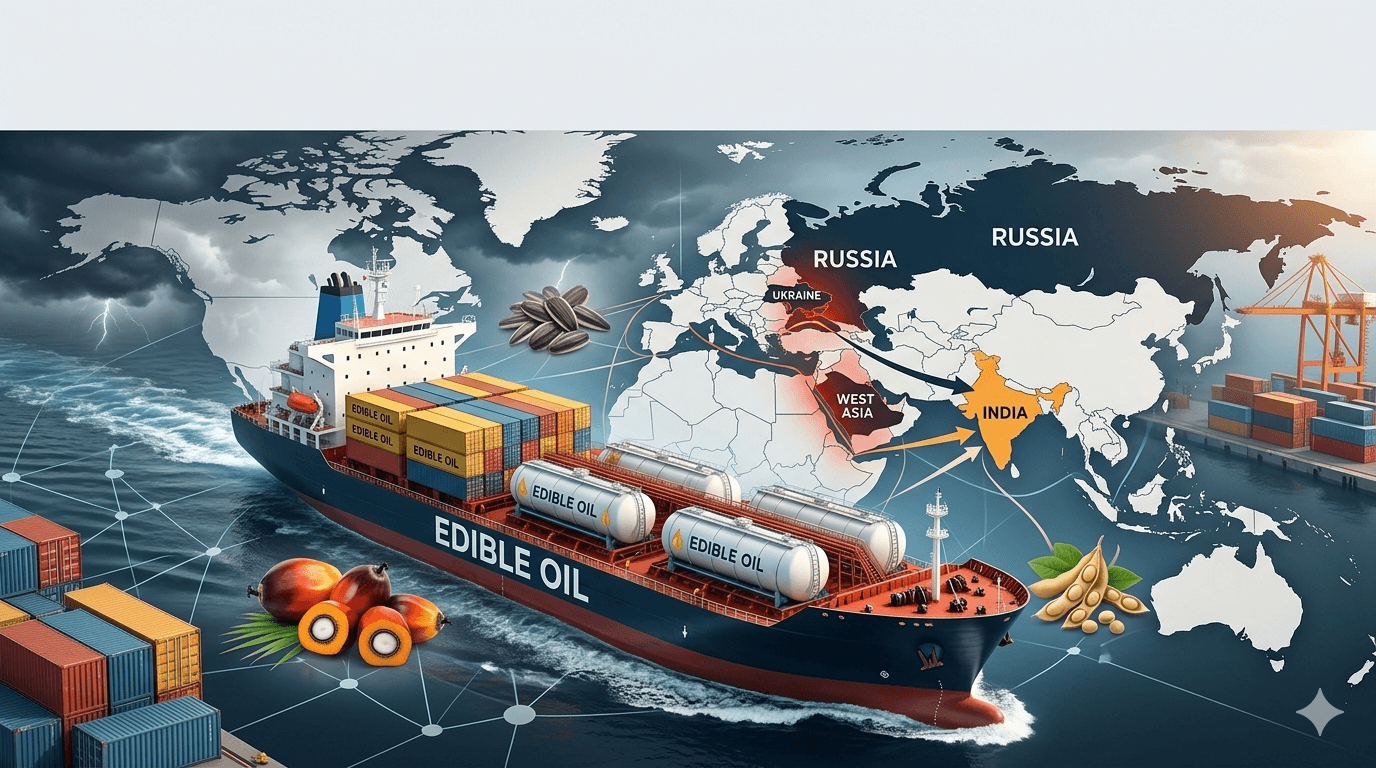
1. Edible oil imports could increase
2. Cotton shipments may rise
3. Feed commodity supplies could expand
In commodity markets, expectations often influence prices even before physical supplies arrive. Traders, anticipating potential future imports, became cautious and reduced procurement volumes at higher price levels.
Supply Pressure During Peak ArrivalsThe timing of the policy announcement coincided with heavy market arrivals.
1. Rabi crops were entering mandis in significant quantities.
2. Supplies were comfortable across multiple states.
3. Buyers showed hesitation in stocking aggressively.
When high supply meets cautious buying sentiment, prices tend to weaken. This combination intensified downward pressure on soybean, cotton, and pulses.
What This Means for FarmersThe price dip directly impacts farmer income and planning decisions. When farmers do not receive remunerative prices:
1. Investment in fertilizers and quality inputs may decline
2. Crop diversification decisions may change
3. Confidence in market stability weakens
More importantly, this episode highlights a structural shift — agriculture today is influenced not only by weather and yield but also by global trade policy signals.
The Growing Role of Trade Policy in Agriculture
International trade announcements now have immediate ripple effects in domestic markets. Even without actual import inflows, price discovery mechanisms respond to policy signals and expectations.
1. To maintain stability, the following become critical:
2. Clear and predictable import policies
3. Timely government procurement when prices fall below MSP
4. Transparent communication to reduce speculative market reactions
ConclusionThe February 2026 price correction serves as a reminder that Indian agriculture is increasingly interconnected with global trade dynamics.
For farmers and agribusiness participants alike, understanding policy developments is becoming as important as monitoring weather and production levels. Ensuring market transparency and policy clarity will be key to maintaining farmer confidence and long-term agricultural sustainability.