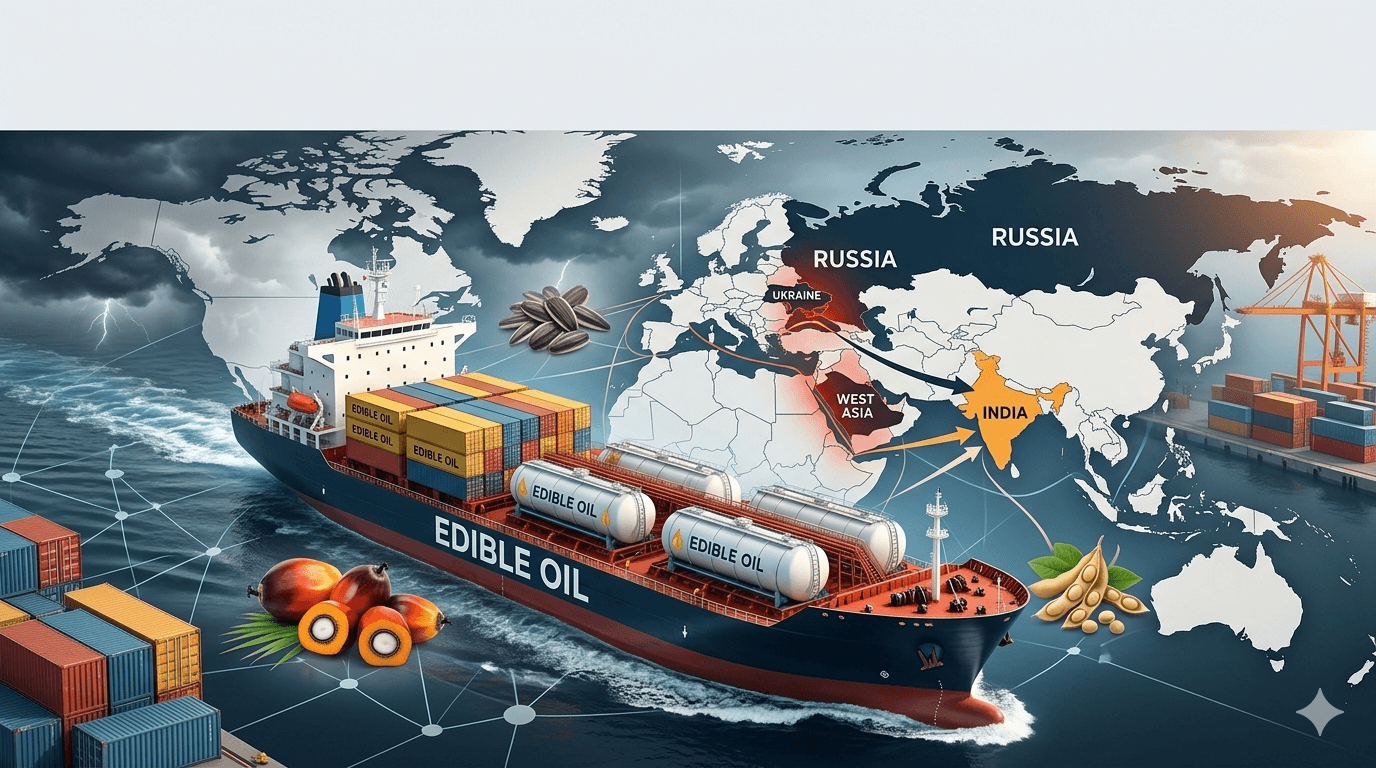
Rising geopolitical tensions in West Asia and the Black Sea region are creating fresh uncertainty in the global vegetable oil trade, a development closely tracked by Indian edible oil importers, refiners, and commodity traders.
India, being the world’s largest importer of edible oils, depends heavily on overseas supplies of sunflower oil, soybean oil, and palm oil. Any disruption in global shipping lanes or export flows quickly reflects in domestic price trends, import parity, and refinery margins.
Global Supply Desk: Black Sea Sunflower Oil Shipments Under Watch
The Black Sea region, particularly Russia and Ukraine, remains a key supplier of sunflower oil to the international market. Traders are monitoring whether geopolitical tensions could disrupt export shipments or delay cargo movement from this region. For Indian buyers, sunflower oil availability from the Black Sea is a critical supply factor, as it directly influences import demand for alternative oils such as soybean oil and palm oil.
Freight Market Impact: Shipping Route Risks Raise Import Costs
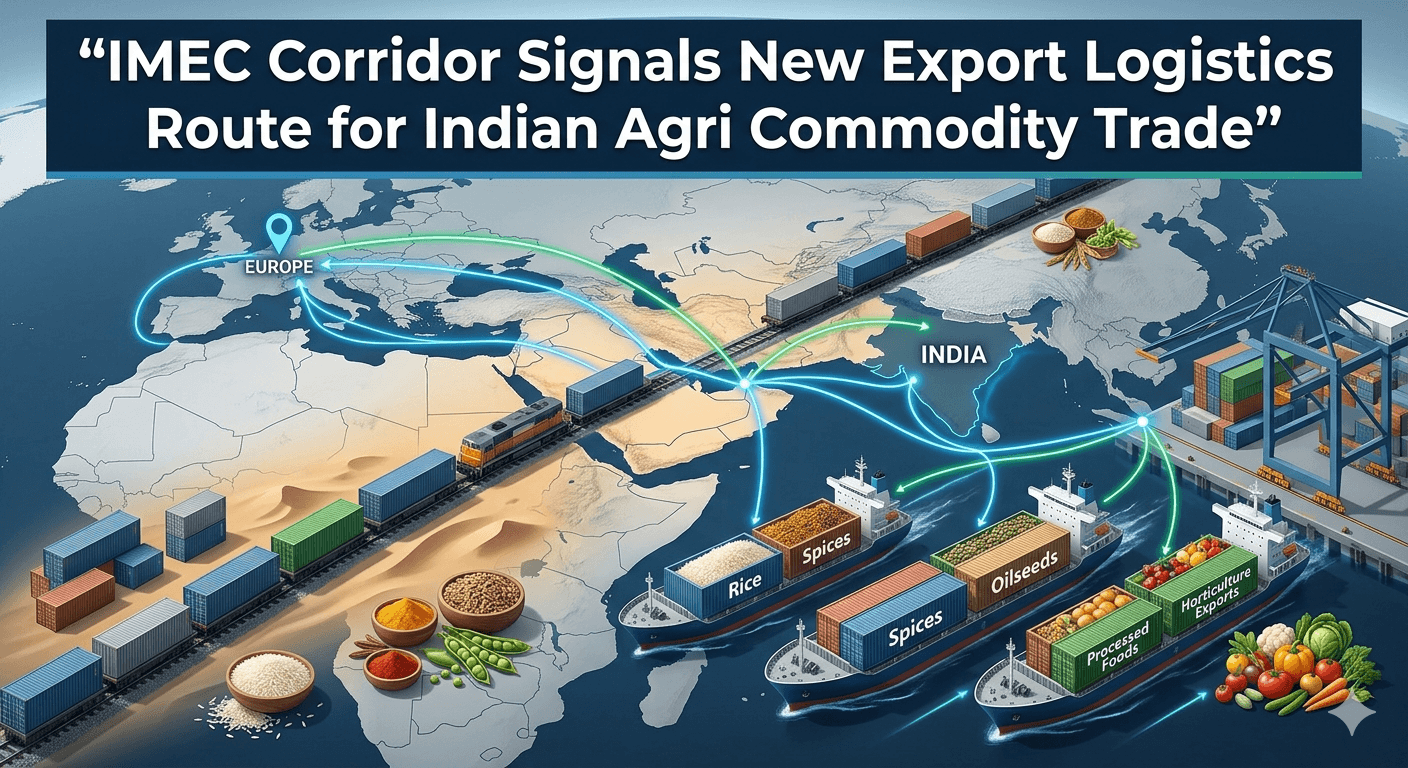
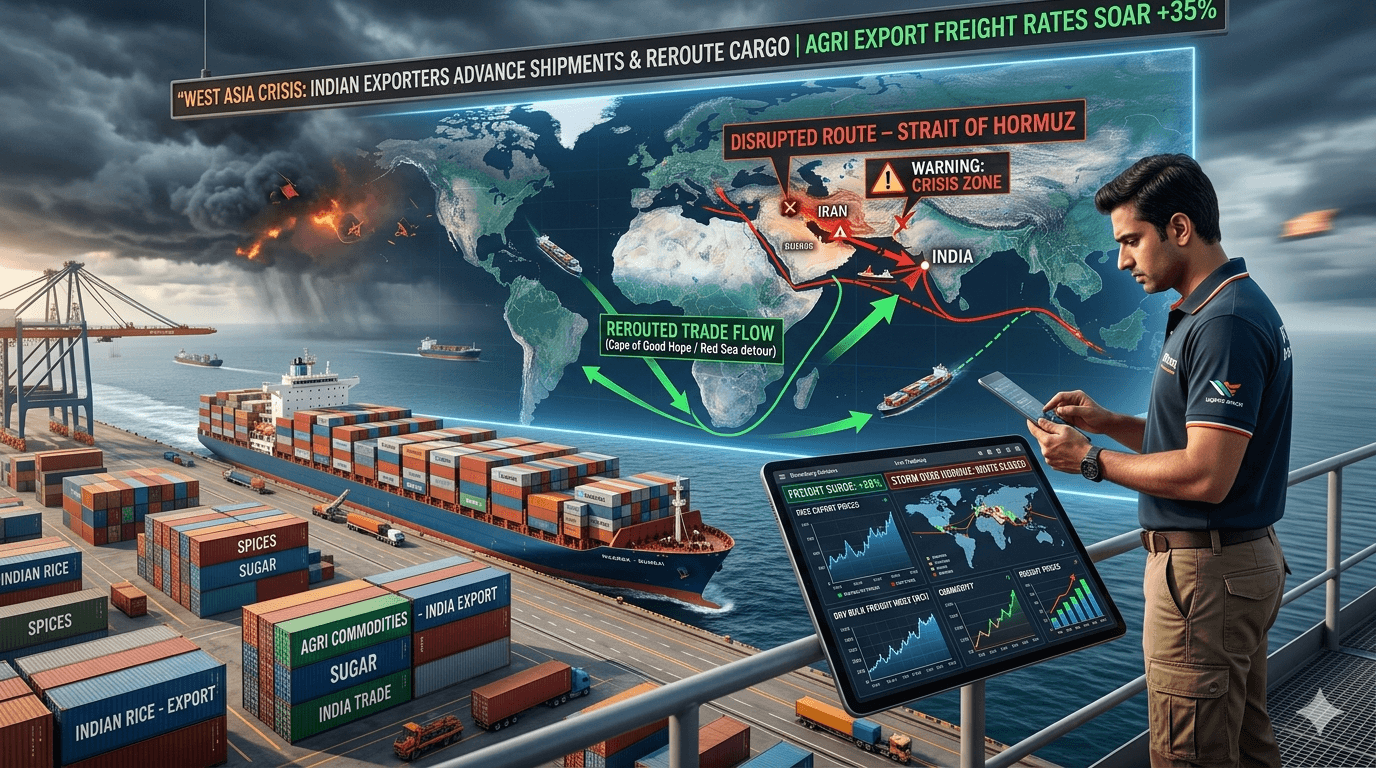
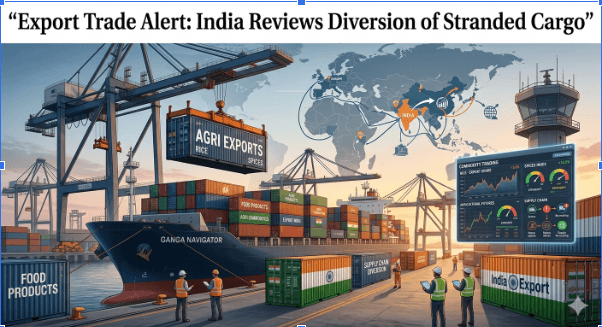
The Red Sea shipping corridor plays a crucial role in transporting vegetable oil cargoes to Asian markets, including India, and any escalation in shipping risks could force vessels to reroute around Africa, leading to higher freight premiums, longer transit times to Indian ports, and an increase in the landed cost of edible oils for refiners and importers, making freight volatility an increasingly important factor in India’s edible oil import pricing..
Import Desk Trend: Refiners Prefer Short-Term Cargo Deals
Indian refiners and importers are reportedly showing caution in fresh bookings due to uncertainty in delivery timelines and freight costs. Instead of large forward contracts, many market participants are focusing on prompt shipment deals.Traders note that refiners are also relying on earlier imported inventories purchased at lower prices, helping them manage current market volatility.
Price Watch: Global Vegetable Oil Market Turning Volatile
Global vegetable oil prices have shown signs of firmness as supply chain concerns add risk premiums to the market, and any sustained disruption in the Black Sea export corridor could tighten sunflower oil supplies and influence price spreads across palm oil and soybean oil, which for Indian traders may translate into more volatile import parity prices, changing crush and refining margins, and shifting buying preferences among different edible oil varieties.
Market Outlook: What Indian Edible Oil Traders Are Tracking
Going forward, India’s edible oil trade will closely monitor several key factors, including the stability of shipping routes through the Red Sea, export flows from the Black Sea sunflower oil corridor, freight rate movements for vegetable oil cargoes, and import demand from Indian refiners and processors, as in an import-dependent market like India, global geopolitical developments often translate directly into price swings and supply adjustments, highlighting how logistics routes and international trade dynamics continue to shape the country’s edible oil market..